
FIELD NOTE 03
Lifestyle support: useful, limited, and worth keeping realistic.
Daily habits can affect comfort, sleep and symptom awareness. They should support—not replace—medical evaluation when symptoms are significant or persistent.
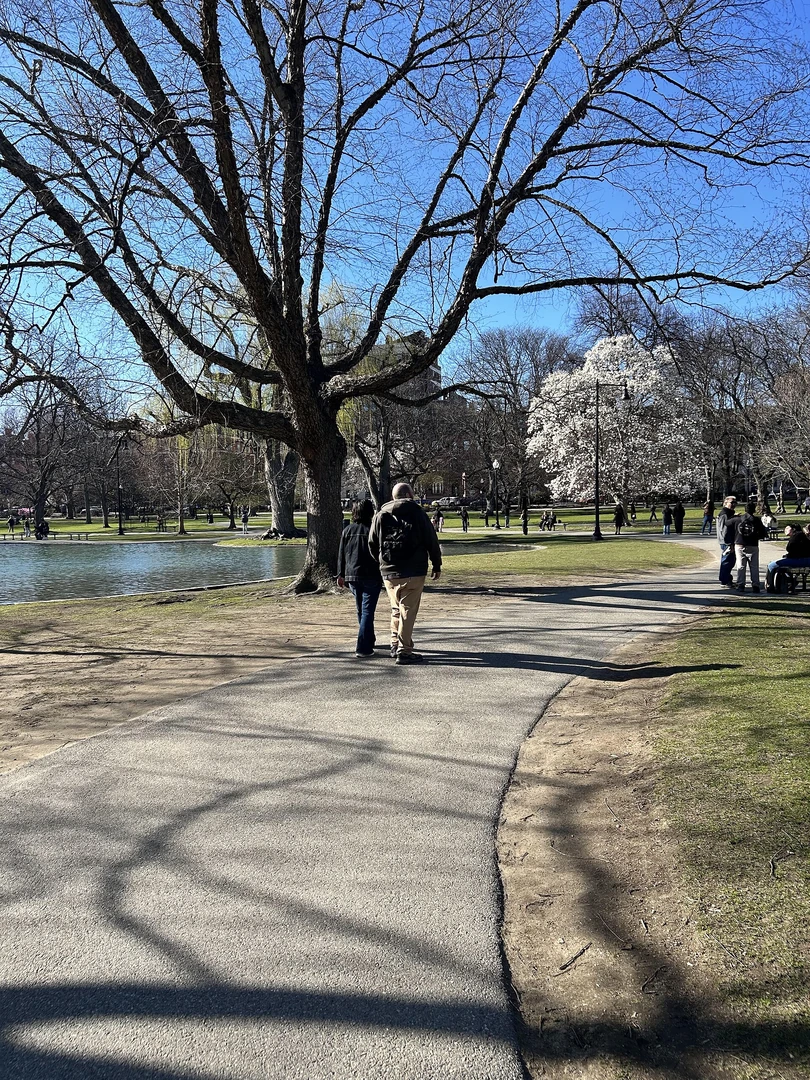
Movement during long sitting days
For people who sit for extended periods, brief walking or standing breaks can reduce stiffness and make it easier to notice whether prolonged sitting is linked with discomfort. The aim is not a prescribed exercise dose but a sustainable rhythm that does not aggravate symptoms.
Hydration without extremes
Regular fluid intake can support normal hydration, but deliberately forcing large amounts of water may worsen urinary frequency. A practical approach is to drink according to thirst and usual needs unless a clinician has given different advice because of another health condition.
Caffeine, alcohol and individual triggers
Some people notice that caffeine or alcohol coincides with more urinary urgency or discomfort. A short, structured reduction can help you observe your own pattern. Avoid turning a temporary personal observation into a universal rule.
Sleep and stress
Poor sleep and stress can amplify pain perception and reduce coping capacity. A consistent sleep window, light activity, and simple relaxation practices may make symptom days easier even when they do not change the underlying cause.
Food: aim for ordinary, sustainable meals
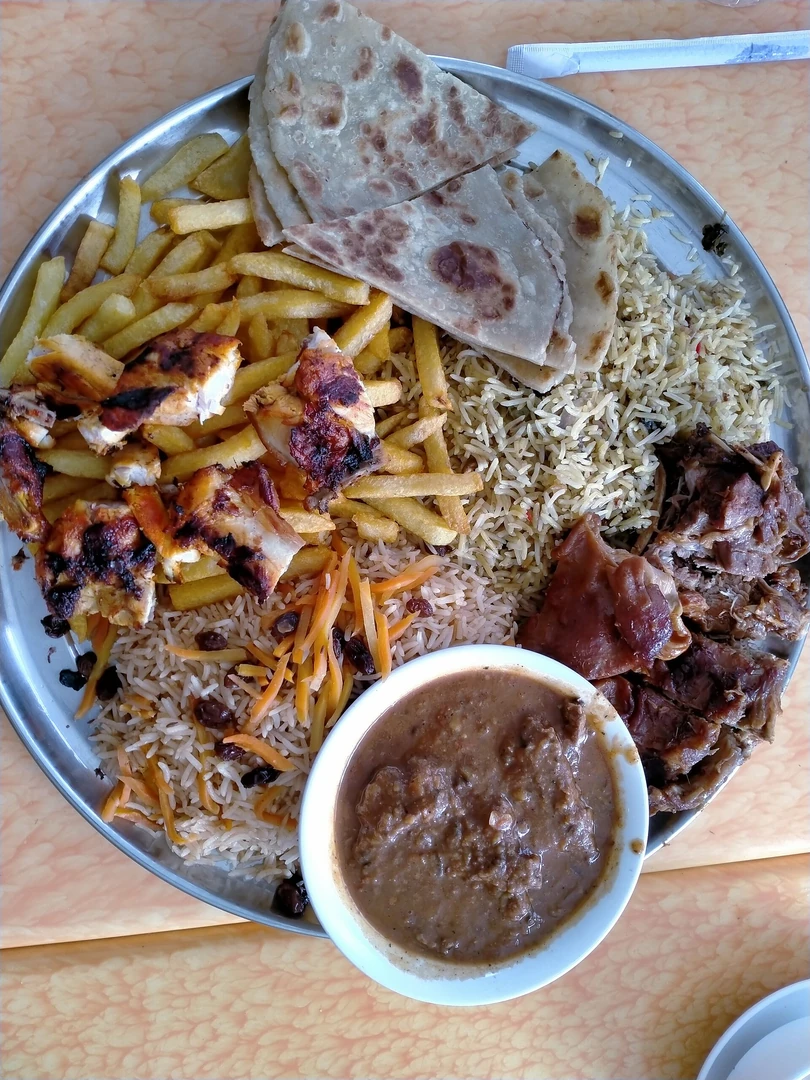
There is no single “prostatitis diet” proven to cure symptoms. Balanced meals, enough fibre and an eating pattern that supports general health are more realistic goals than restrictive detox plans or supplement stacks.
Track one change at a time
If you want to learn whether a habit influences symptoms, change one variable for a short period and note the result. Changing sleep, caffeine, exercise, supplements and diet all at once makes it hard to know what mattered.
Fever, inability to urinate, severe pain, blood in urine or rapidly worsening symptoms need prompt medical review.